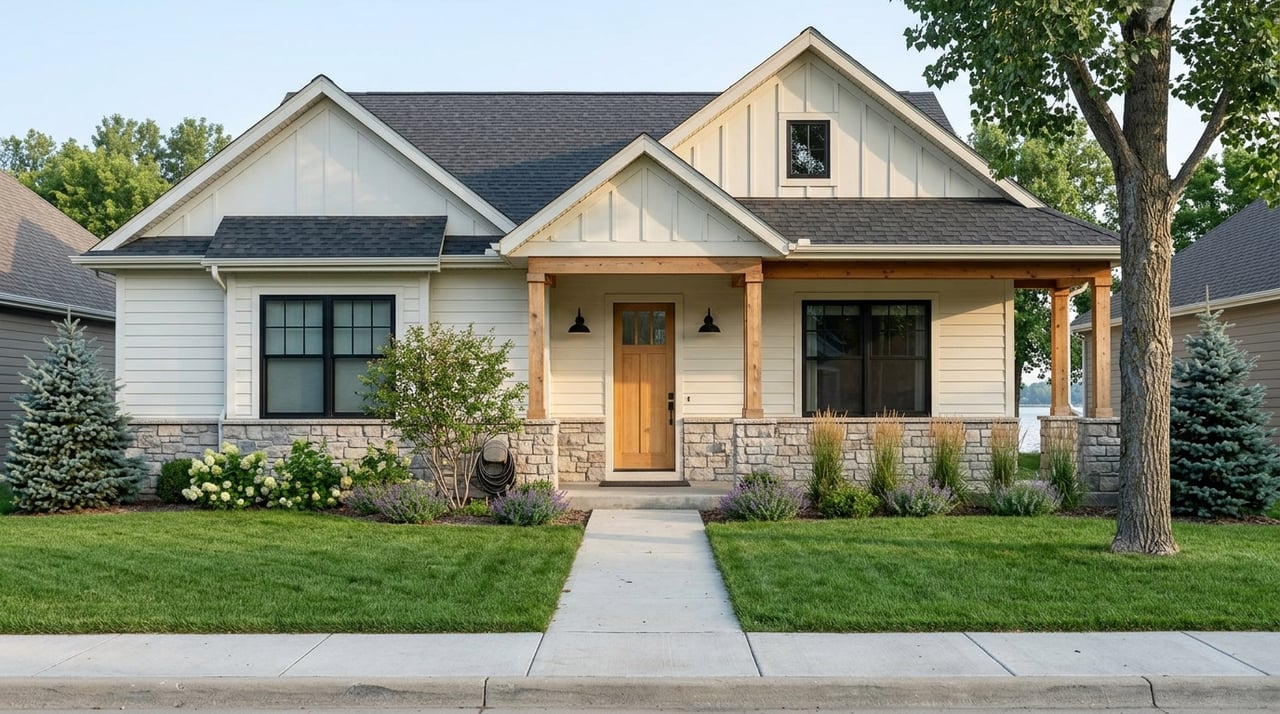
If your idea of lake living is less about speedboats and more about morning walks, sunset views, and having the best of Loveland close at hand, Lake Loveland stands out. This part of town offers a lifestyle that feels scenic and connected without asking you to give up everyday convenience. If you are curious what it is really like to live near the lake, this guide will help you picture the rhythm, amenities, and trade-offs that shape daily life here. Let’s dive in.
What Lake Loveland Living Really Feels Like
Lake Loveland is best understood as a city-lake lifestyle rather than a resort-style waterfront experience. The shoreline connects naturally to parks, trails, fishing access, public art, and community events, which gives the area an easy, woven-into-daily-life feel.
That matters if you want a home near the water without feeling removed from the rest of the city. Around Lake Loveland, the lake is part of your normal routine, not a destination you save for special weekends.
North Shore and South Shore Access
The most usable public shoreline areas are North Lake Park on the north side and South Shore Parkway on the south side. Together, they create the day-to-day access points that make the lake feel active and welcoming.
North Lake Park includes shelters, playgrounds, athletic fields, tennis and basketball courts, horseshoe pits, restrooms, shore fishing, the Norma & Lynn Hammond Amphitheater, and the seasonal Buckhorn Northern Railroad miniature train. South Shore Parkway adds parking, walking-path and recreation-trail access, shore fishing, sculptures, and benches along US 34.
Easy Routines Around the Water
One of the biggest appeals of living near Lake Loveland is how simple it is to enjoy the area in small, regular ways. You do not need to plan a full outing to make the lake part of your day.
You might start the morning with a walk, stop by a bench on the south shore in the evening, or head to North Lake Park for time outside with family or friends. Because most Loveland parks and paved trails are open daily from 6:00 a.m. to 10:30 p.m., the area supports early starts, after-work resets, and casual evening outings.
Trails Make the Area Feel Connected
Loveland’s paved recreation trail system helps explain why the lake feels so integrated into the city. The system totals 31 miles, loops around Loveland, and connects parks, neighborhoods, downtown, and other destinations.
That network gives the lake area a connected feel that many buyers value. Instead of feeling isolated, the neighborhood benefits from movement, access, and a strong outdoor rhythm that extends beyond the shoreline itself.
Parks and Outdoor Amenities Nearby
Lake Loveland living also benefits from the broader parks system around it. Loveland Parks & Recreation maintains 34 park areas and 30 playgrounds, which supports an outdoors-oriented lifestyle across the city.
For you as a buyer, that can mean the appeal is not limited to the lake view alone. It is the combination of water, green space, trails, and recreation that often shapes how this area lives day to day.
What You Can Actually Do at Lake Loveland
For many people, this is the key question. Lake Loveland supports shoreline enjoyment more than broad water recreation.
Popular activities include:
- Walking along shoreline paths
- Using trail connections nearby
- Shore fishing
- Relaxing on benches by the water
- Enjoying playgrounds and park space at North Lake Park
- Attending seasonal community events
- Taking in sculptures and public art
This creates a lifestyle that feels calm, scenic, and community-centered.
What Lake Loveland Is Not
It is just as important to understand what this lake does not offer. Public boating is prohibited, and the former Lake Loveland Swim Beach is closed as of July 2026.
That changes the feel of the area in a meaningful way. Instead of a busy public recreation lake, Lake Loveland stays more low-key, neighborhood-oriented, and visually driven.
City-Lake Living vs. Rural Lake Living
If you are comparing Lake Loveland to more rural waterfront settings, the biggest difference is convenience. A rural lake property may offer a more secluded atmosphere, but it often comes with more separation from errands, dining, and daily city routines.
Around Lake Loveland, the water is woven into an active municipality. You are near trails, parks, art, events, and downtown destinations, so the lifestyle tends to feel more connected and practical.
The trade-off is clear. The appeal here is usually more about scenery, walkability, and civic texture than about boating or beach-focused recreation.
Seasonal Events Add Energy
Another part of everyday lakeside living is the way the community uses the area through the year. The biggest lake-centered annual event is Loveland’s July 4th Festival at North Lake Park.
In 2026, the city expected more than 10,000 spectators, with fireworks launched from the north side of Lake Loveland around 9:17 p.m. The event also included food trucks, vendors, live music, kids’ activities, and the Buckhorn train.
For residents nearby, that kind of tradition adds a strong sense of place. It is one more example of how the lake functions as part of Loveland’s civic life, not just as scenery.
Downtown Loveland Is Part of the Lifestyle
Living around Lake Loveland also puts you close to one of the city’s most active social and dining areas. Visit Loveland notes that the city has nearly 200 dining options and specifically describes downtown Loveland as a culinary hot spot.
The downtown district directory reflects that density, with a mix of restaurants, bars, breweries, and gathering spots. For buyers who want beautiful surroundings without feeling far from dinner plans or weekend activity, that balance can be especially appealing.
Summer in Loveland Feels Full
Beyond the lake itself, nearby seasonal programming gives the area even more personality. Downtown Loveland’s One Sweet Summer series is free and open to the public in 2026, with events including Bluegrass & Brews, Ice Cream & Treats, Symphony on the Plaza, live music, kids’ days, and fitness classes in The Foundry Plaza.
The Loveland Corn Roast Festival also remains a major local tradition, with the Chamber listing the 130th annual event for August 21 to 22, 2026. Together, these events create a summer rhythm that can make living near the lake feel even more vibrant.
Public Art Shapes the Everyday Experience
Loveland’s arts identity also shows up in subtle, everyday ways around this part of town. South Shore Parkway includes sculptures, and the city’s Art in Public Places program places sculpture throughout neighborhoods, parks, and ordinary errand routes.
Benson Sculpture Garden adds another layer, with more than 150 pieces, walking paths, benches, and ponds. If you value a neighborhood feel that includes beauty and civic character, this artistic presence is part of what makes Loveland distinct.
Why Buyers Are Drawn to Lake Loveland
For many buyers, the draw is not one single feature. It is the combination of lake views, trail access, parks, city events, public art, and proximity to dining and daily conveniences.
That mix can appeal to several types of buyers, including those looking for a lifestyle move, a long-term home, or a property with lasting everyday enjoyment. From an owner-minded perspective, the value often comes from how livable the area feels on an ordinary Tuesday, not just how it looks in listing photos.
What to Consider Before You Buy Nearby
If you are thinking about buying around Lake Loveland, it helps to align the location with your real priorities. This area may be a strong fit if you want:
- Water views and scenic surroundings
- Walkable outdoor access
- Nearby parks and trail connections
- Community events close to home
- Access to downtown dining and amenities
- A quieter lake setting without heavy public boating activity
It may be less ideal if your goal is a lake centered on public boating or beach use. Knowing that difference upfront can help you focus on the right opportunities.
Everyday Value Comes From Convenience
One of the most overlooked benefits of Lake Loveland living is how easily it fits into normal life. You can enjoy the setting in short windows of time, whether that means a quick walk, a stop at the park, or an evening near the water before dinner downtown.
That kind of convenience often matters just as much as the lake itself. It can shape how often you truly use and enjoy the area after you move in.
If you are exploring homes near Lake Loveland and want a clear, local perspective on how the area fits your lifestyle and long-term goals, Kristin Tibbs would love to help you navigate your next chapter with care and strategy.
FAQs
Can the public boat on Lake Loveland in Loveland?
- No. The City of Loveland prohibits public boating and watercraft use, with an exception for surface rights held by Lake Loveland residents and the associated HOA.
Is there a public swim beach at Lake Loveland?
- No. The City of Loveland states that the former Lake Loveland Swim Beach is closed as of July 2026.
What can you do at Lake Loveland if you cannot boat?
- You can enjoy shoreline walks, shore fishing, park space, nearby trails, benches, public art, playgrounds, and seasonal events.
What parks are most useful for public access around Lake Loveland?
- North Lake Park and South Shore Parkway are the main public shoreline access areas around the lake.
What makes Lake Loveland different from a rural waterfront setting?
- Lake Loveland offers a more connected city-lake lifestyle, with access to trails, parks, events, art, downtown dining, and everyday convenience rather than a more isolated recreation-lake experience.
Are trails available near Lake Loveland in Loveland?
- Yes. Loveland’s paved recreation trail system totals 31 miles and connects parks, neighborhoods, downtown, and other destinations across the city.