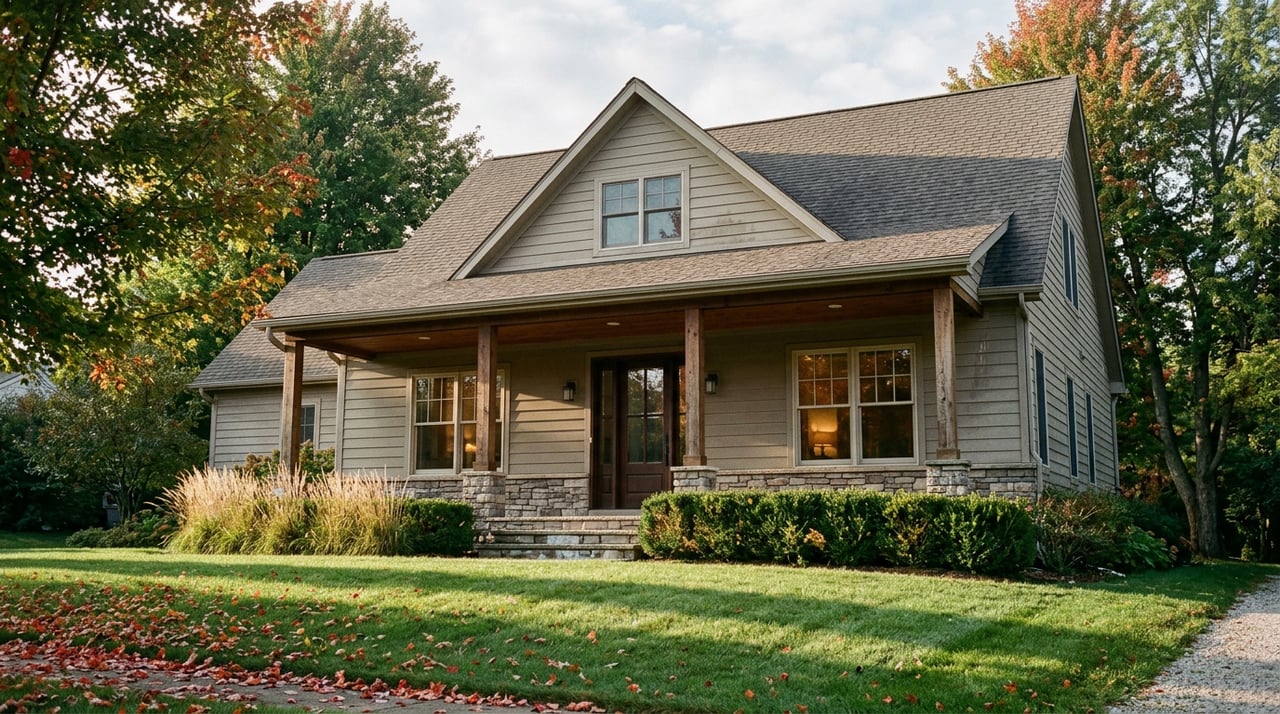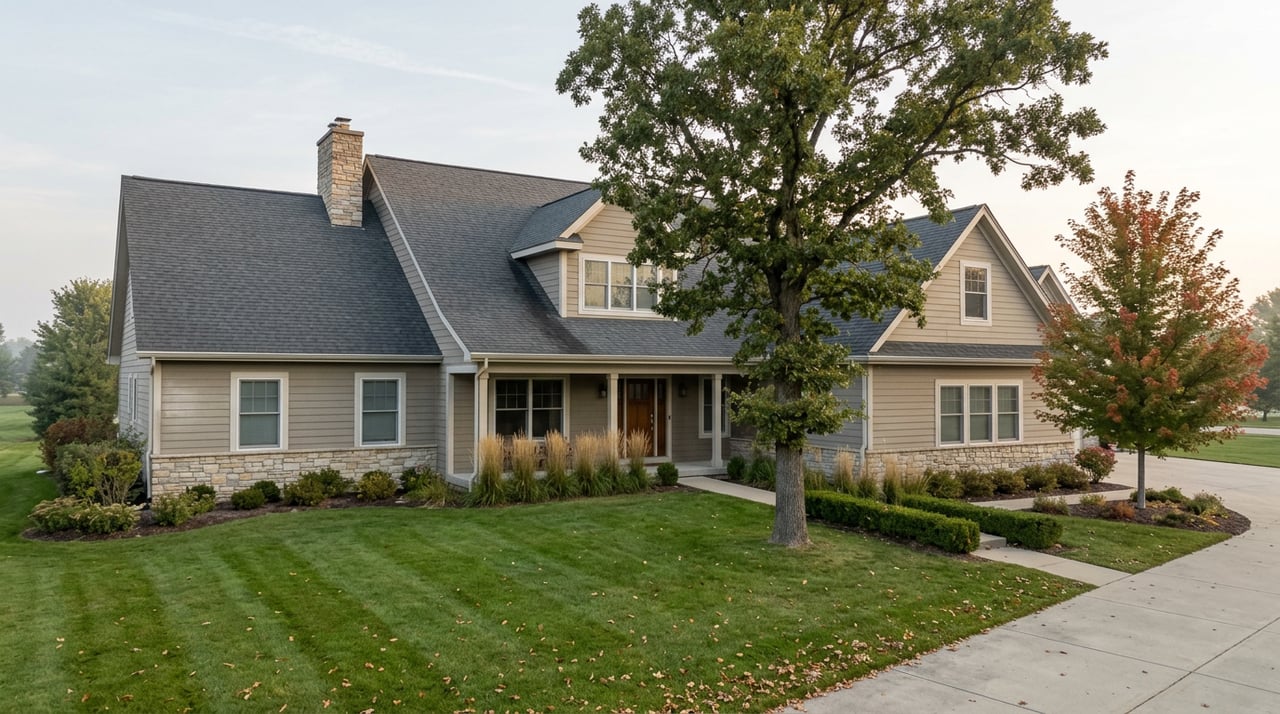
If you bought a resale home in RainDance, Water Valley, or one of Windsor Northwest's Brunner Farm and Jacoby Farm sections, and you bought it from a previous homeowner rather than a builder, you likely never saw a metro district disclosure packet. Under the rule in place from 2022 through the summer of 2025, you weren't entitled to one, and the person who sold to you wasn't required to give you one. That exemption is gone. If you list that same house today, you are the one who owes the paperwork.
This is not a hypothetical. It is a specific statute that changed on a specific date, and it shifts the burden from the person who built your neighborhood to the person selling the house inside it right now.
The Exemption That Used to Cover You
Colorado's first real push for metro district transparency in home sales came out of a 2021 reform package. Starting January 1, 2022, sellers of newly constructed homes inside a metro district had to hand buyers a specific disclosure covering the district's taxing authority, its debt, and a current county tax certificate. That requirement was aimed squarely at builders, master community developers, and single lot custom builders selling their first owner into a district.
The same reform explicitly carved out everyone else. If you bought your RainDance home from someone other than the builder, and later decided to sell it yourself, you were not subject to that disclosure requirement. Subsequent owner to owner sales sat outside the rule entirely. For three years, that was the accurate answer if you asked whether a resale seller in a Windsor metro district had to disclose anything about the district itself.
What Changed on August 6, 2025
Governor Polis signed House Bill 25-1219 on May 29, 2025. It took effect on August 6, 2025, and it closed the exact gap described above. The new law requires all sellers of residential property located within a metropolitan district organized on or after January 1, 2000 to make these disclosures, whether or not the home is newly constructed. The distinction that used to protect resale sellers is no longer in the statute.
Practically, this means a homeowner reselling a ten year old house in Water Valley now carries the same written disclosure obligation a builder once carried exclusively. The disclosure has to include the district's authority to issue debt, levy property taxes, and impose fees or charges, along with a property tax estimate for the year of sale, expressed in an actual dollar figure rather than a mill levy number most buyers cannot translate on their own. Colorado's standard seller disclosure form was also updated with a mandatory use date of January 1, 2026, so the current version sellers are asked to complete already reflects this wider pool of who owes what.
What You Actually Have to Hand Over
The written disclosure a Windsor seller now owes a buyer, if the home sits in a metro district formed after January 1, 2000, generally has to include:
- The district's official website
- A plain explanation of the district's authority to levy taxes, issue debt, and impose fees or charges
- An estimate of the property taxes the district will collect for the year the sale occurs, given as a dollar amount
- A copy of the most current county assessor's tax certificate for the property
None of this is optional paperwork you can skip because the house isn't new. The statute draws no line between a five year old resale and a home closing escrow for the first time.
The Timing Trap
The disclosure is not a closing document. It has to be delivered concurrently with or before the execution of the sales contract, which means it belongs in your prep before you ever accept an offer, not in the pile of paperwork title pulls together in the final week. A seller who waits until the closing table has already missed the deadline the statute sets.
Which District Actually Covers Your Address
Windsor's growth has produced several named metro districts, each with its own board, its own budget, and its own public records. Knowing which one applies to your specific address is the first practical step toward preparing a disclosure that holds up.
| Metro District | Serves | Where to Verify |
|---|---|---|
| RainDance Metropolitan District Nos. 1-4 | RainDance | Budgets and board minutes posted through the district's own site |
| Water Valley Metropolitan District Nos. 1 & 2 | Water Valley | Annual reports filed with the Town of Windsor |
| Windsor Northwest Metropolitan District Nos. 1-4 | Brunner Farm and Jacoby Farm subdivisions, known together as New Windsor | Amended service plan on file with Weld County |
| Village East Metropolitan District Nos. 1, 2, 4 & 5 | Village East | Service plan approved by the Town of Windsor in 2008 |
These are not dormant entities. RainDance's district boards adopted their 2026 budget and certified their mill levies at a joint public hearing in January 2026, and Water Valley's districts held their own joint meeting the previous November. The mill levy your buyer will pay is set by people who meet regularly and post minutes, which is exactly why the disclosure statute asks you to point buyers toward those same public records instead of asking you to estimate the number yourself.
Why This Matters More in a Split County Town
Windsor sits across two counties, and that split adds a second layer most sellers in a single county town never have to think about. Homes on the Larimer County side receive water service through the Fort Collins/Loveland Water District, while residents of the Harmony Ridge and Alexander Estates subdivisions receive potable water from the North Weld Water District. Your property tax certificate, your assessor's office, and in some cases your utility contact all depend on which side of that county line your address falls on, on top of whichever metro district governs your subdivision.
That means the disclosure you prepare has to be pulled from the correct county assessor, not a generic Windsor estimate. A tax certificate from the wrong office does not satisfy the statute, and it will not hold up if a buyer questions it after the contract is signed.
Before You List This Fall
If you own a resale home in a Windsor metro district and you are getting ready to sell, a few steps now save a scramble later.
- Confirm which metro district your address sits in, using the district's own website or the Town of Windsor's metro district page.
- Pull a current tax certificate from the correct county assessor, Larimer or Weld, based on your specific address.
- Convert the district's mill levy into an actual dollar estimate for the year of sale rather than leaving it as a mill number.
- Prepare the written disclosure before you accept an offer, since the deadline is contract execution, not closing.
I have watched enough Windsor closings move through metro district paperwork to know the sellers who prepare this ahead of time have calmer contract periods than the ones who discover the requirement mid negotiation.
FAQ
Does this apply if my HOA handles the metro district paperwork? An HOA and a metro district are separate entities with separate obligations. The disclosure statute puts the duty on the seller of the property, not on any homeowners association that might also serve the neighborhood.
What if my subdivision's metro district doesn't have its own public website? Most active metro districts serving Windsor maintain a site with budgets, board contacts, and meeting notices. If you cannot locate one for your specific district, the Town of Windsor's metro district page is a starting point for confirming which district covers your address and how to reach it.
Does this change anything for buyers, or only sellers? The obligation to prepare and deliver the disclosure sits with the seller. For buyers, the practical change is that they should now expect this paperwork on any Windsor metro district resale, not only on new construction, and can reasonably ask for it if it hasn't arrived by the time they're signing a contract.
If you're weighing a sale in RainDance, Water Valley, or anywhere else inside a Windsor metro district, I'd rather walk through your specific address and district now than have you discover a gap in your paperwork after you're under contract. Kristin Tibbs has helped Northern Colorado sellers prepare exactly this kind of disclosure before it becomes a deadline problem. Let's connect.